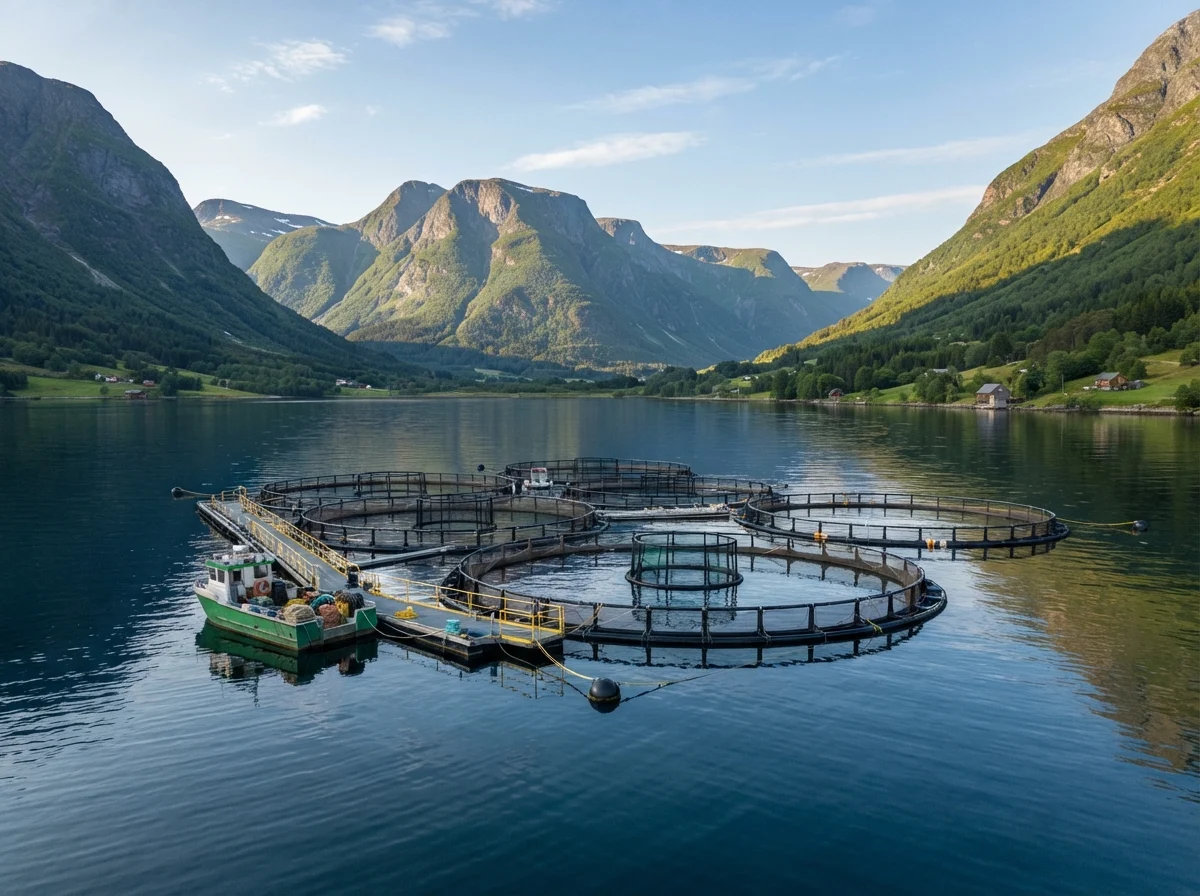
Norway raises and exports a large share of the world's farmed salmon, along with trout, cod and other animals, and much of this trade depends on documents that start in Norwegian and end up on the desks of buyers, inspectors and veterinarians who read English. Health reports, fish welfare records, feed certificates, treatment logs, transport papers and export certificates must all be understood by importers in Asia, North America and across Europe. The language of animal health is precise, and a single misread figure for mortality, a treatment date or a medicine name can lead to a rejected shipment or a lengthy investigation. Farms, laboratories and trading companies work with tight schedules, because live and fresh products cannot wait at a border. Accurate Norwegian to English translation of animal health and export documents keeps shipments moving and shows buyers that the producer has nothing to hide. This article explains the documents that matter most and how companies can prepare them for translation.
Health certificates and inspection reports
Export certificates confirm that animals or products come from approved sites, were inspected by the authorities and meet the rules of the destination country. These documents contain fixed phrases, registration numbers, dates and official stamps, and the importing authority reads them line by line. Companies that order norwegian to english translation for health certificates should provide the complete original, name the destination country and ask the translator to keep every number and date exactly as written. The translator should never shorten a statement or rephrase a legal declaration, since the wording of a certificate is often prescribed by law and must appear in the same form in both languages.
Veterinary treatment records and medicine use
Records of treatments, vaccinations and medicine use show buyers that animals were kept healthy and that antibiotics and other substances were used responsibly. Drug names, active ingredients, doses, withdrawal periods and dates must be translated with great care, and units should follow international usage. Our article on medical document translation explains why specialist terminology and a careful review matter whenever health information crosses a language border. Ask the translator to mark any unclear abbreviation instead of guessing its meaning, and confirm it with the veterinarian who wrote the record.
Welfare, environment and sustainability reports
Buyers and retailers increasingly ask for proof of animal welfare, low environmental impact and responsible feed. Sustainability reports, audit results and certification documents use technical language and many numbers, so a good translator needs to understand the field and keep figures consistent from chart to chart. Avoid marketing exaggeration in the English text, because inspectors and journalists compare claims with the data behind them. Clear, honest wording builds long term trust with customers who care about how food is produced.
Contracts, logistics and customs papers
Supply contracts, transport orders, cold chain logs and customs declarations form the paper trail of every shipment. Temperature records, container numbers, departure times and product codes must match between documents, and an inconsistency can stop a consignment at the border. Keep a shared glossary of product names, species names and grading terms, and use it for every shipment so that buyers see the same words each time. Review urgent documents twice, once for language and once for numbers.
Traceability from egg to plate
Buyers want to know where an animal was born, how it was raised and how it travelled. Traceability records link batches, sites, feed lots and transport units, and they must remain consistent across languages. A translator should keep identification codes, batch numbers and site names unchanged, and add notes only where a Norwegian term has no standard English form. Clear traceability documents help companies react quickly if a problem appears, and they give customers confidence that the supply chain is under control.
Training staff and sharing terminology
Farm managers, laboratory staff and export officers use different words for the same thing, and mixed vocabulary creates errors in translation. Create a shared glossary with Norwegian terms, approved English equivalents and short definitions. Share it with translators, auditors and customer service staff. When the same words appear in reports, certificates and e-mails, buyers read the whole file with less effort, and internal teams spend less time answering the same questions again and again.
Planning translation time for fast supply chains
Fresh and live products move on tight schedules, so translation should be planned before the shipment leaves the site. Send documents in batches, mark the most urgent ones and name a contact who can answer questions quickly. Keep approved translations of standard certificates and procedures, and update them only when the rules change. A prepared document library removes last minute pressure, reduces mistakes and helps the company react calmly when a new market opens or a buyer asks for extra proof.
Where to read more
For a neutral overview of how salmon and related fish are raised and what questions this raises for animal health, see the Wikipedia article on salmon aquaculture, which covers methods, regulation and environmental debates.