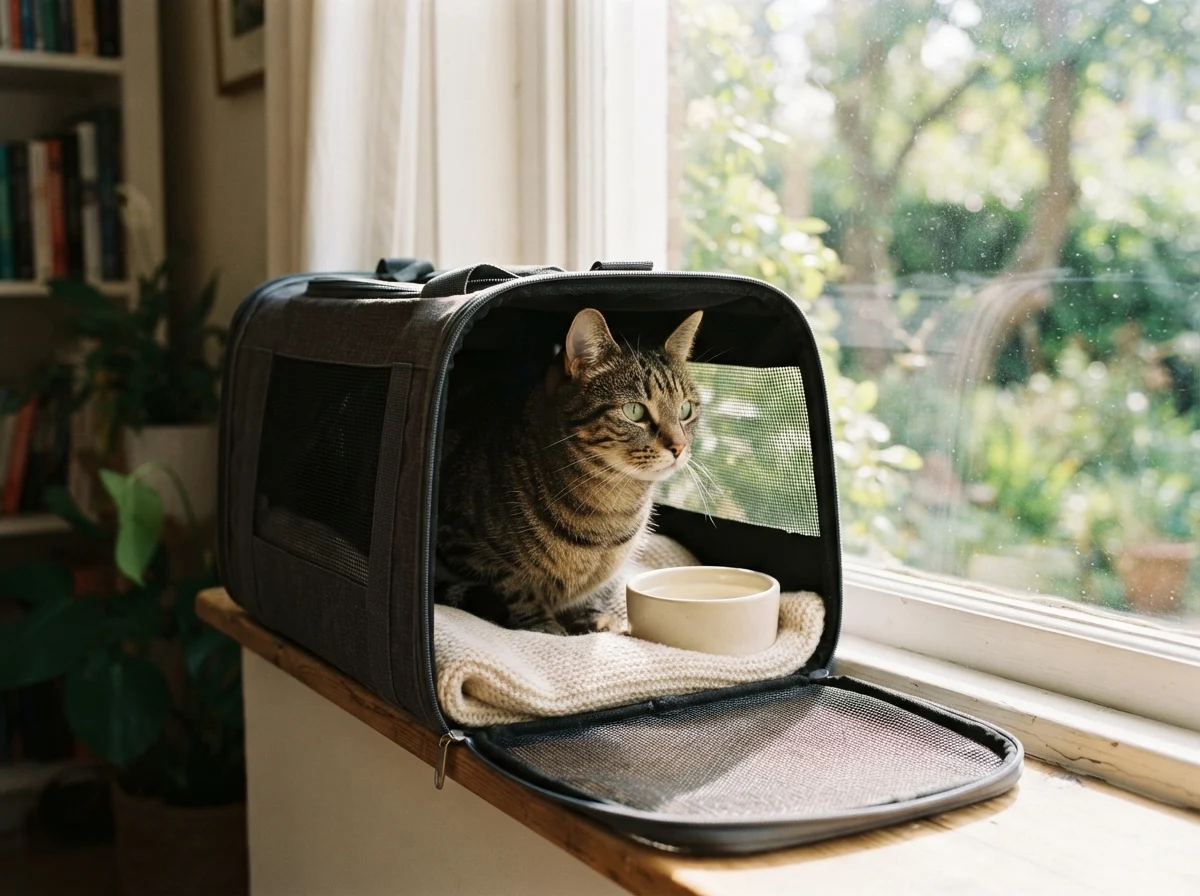
Every year, animal shelters and rescue groups in Poland send dogs and cats to new homes in the United Kingdom, Ireland, the United States and other English speaking countries. Volunteers write the adoption forms, collect the veterinary records and prepare the transport papers in Polish, while adopters, airlines and local veterinarians read English. The animal may be ready to travel, but the file that goes with it often is not, because a single unclear vaccination entry, a missing chip number or a misunderstood medical note can delay the journey for weeks. Rescue work runs on small budgets and tight schedules, so every day of delay costs money and puts stress on animals who have already waited a long time for a home. Clear Polish to English translation of adoption contracts and veterinary records helps rescue groups, adopters and clinics work from the same facts, so animals arrive safely and settle quickly. This article describes the documents that matter most and offers practical advice for volunteers and families.
Adoption contracts and care agreements
An adoption contract explains who owns the animal, what care the new family promises, whether the animal must be neutered, and what happens if the adopter can no longer keep the pet. Polish contracts often use formal legal phrases, and a loose translation can change the meaning of a promise or a penalty. Rescue groups that order polish to english translation for their standard contract should ask the translator to keep clause numbers identical, so that both language versions can be compared line by line. The adopter should receive a copy in English before signing, together with a short explanation of any fees, follow up visits or return conditions. This transparency builds trust and prevents conflicts later.
Veterinary history, treatments and test results
Rescue animals often arrive with incomplete histories, and every document that exists becomes important. Vaccination records, parasite treatments, blood tests, operation reports and behaviour notes help the new veterinarian plan care and avoid repeating procedures. Our guide on Polish to English translation explains how numbers, dates and official wording are handled in certified work, and the same care applies to clinic records. Ask the translator to keep drug names, dosages and test values exactly as written, and to explain unclear abbreviations in brackets.
Transport papers, microchips and permits
Moving an animal across borders requires a microchip, a valid rabies vaccination, a health certificate and often an import permit or a transport licence. Each of these papers repeats the same animal data, so name, breed, colour, birth date and chip number must match everywhere. Check the chip number with a scanner, compare it with every document and correct any difference before translation begins. A certified translation may be required by the destination authority, so ask early and keep the timeline realistic, since some tests and waiting periods cannot be rushed.
Communication with adopters and volunteers
Good communication does as much for an adoption as good paperwork. Descriptions of an animal's character, fears and daily routine help adopters decide whether they can meet its needs. Translators who work on these texts should keep a warm, honest tone, avoid exaggeration and preserve useful details about habits, diet and training. Short messages and updates after adoption also help volunteers learn how the animal is doing and improve future placements.
Foster care and the first weeks
Many rescue animals spend time in foster homes before they travel, and foster carers keep valuable notes about feeding, medication, behaviour with children and reactions to noise or other animals. Translate these notes together with the formal records, so that the adopter receives a full picture. Ask the translator to keep practical details such as meal times and commands exactly as written. A smooth first week in the new home depends on the new family knowing the animal as well as the foster carer did.
Checking the final file before departure
Before the animal leaves, one person should read the complete English file against the Polish originals. Look for matching names, dates, chip numbers and signatures, and confirm that every required stamp is present. Make two printed sets, one for the carrier and one for the adopter, and keep a digital copy in the cloud. A short final review costs an hour and can save an animal from a long wait at an airport or a border post.
Budget, volunteers and shared glossaries
Rescue groups work with limited funds, so smart reuse of translated text saves money. Translate standard forms once, keep them in a shared folder and update them only when rules change. Build a small glossary of common veterinary terms, breed names and care instructions, and share it with every volunteer who writes or checks translations. Consistent language reduces errors, shortens review time and gives adopters clear, friendly information.
Where to read more
For a neutral overview of how rescue organisations work and what services they provide, see the Wikipedia article on animal rescue groups, which describes their methods and their role in adoption.